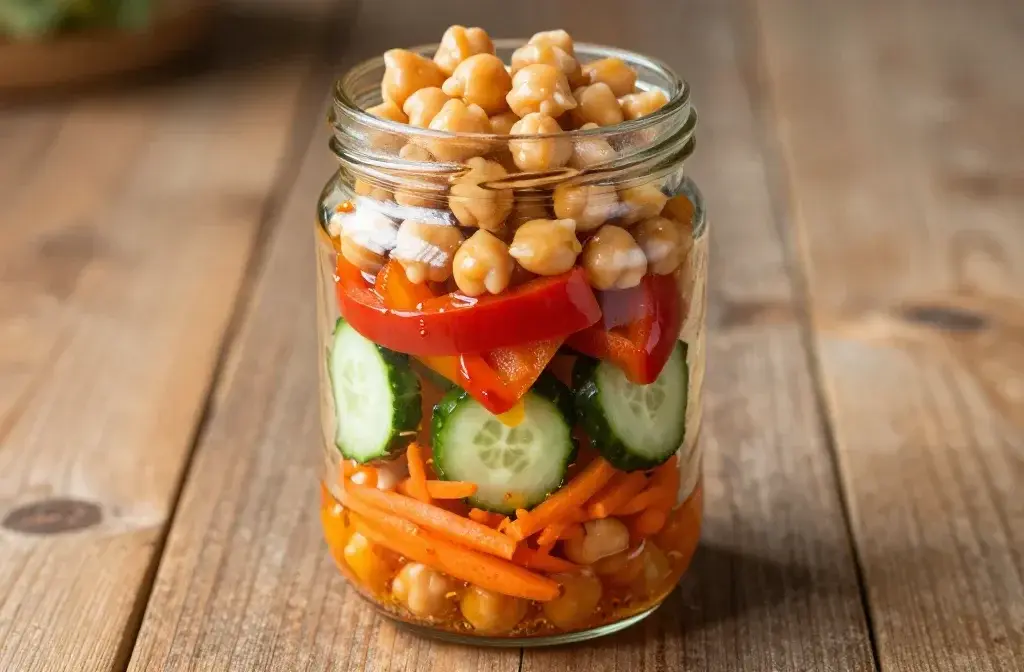
Soaked Salad Jar with Veggies and Chickpeas: Crunch in a Jar
From fridge to fabulous in minutes, a Soaked Salad Jar with Veggies and Chickpeas is basically a crunchy, zesty hug in a jar. You dump, you soak, you crunch, you munch. No drama, just delicious. If you’re allergic to boring salads, this one’s for you.
What exactly is a soaked salad jar—and why should you care?
You’ve probably seen jar salads at the cafe, all neat and fancy. But soaked salad jars take things up a notch. The magic happens when veggies meet a light soaking liquid—think tangy vinaigrette meets crunchy veggies. The chickpeas add protein so you actually feel like you ate a proper meal, not a garden party. FYI, this isn’t cafeteria food; this is portable, flavorful, and snackable.
Keys to getting the texture right
– Fresh veggies with a little bite work best. Cucumbers stay crisp, bell peppers sing, carrots bring sweetness.
– Chickpeas should be rinsed well and patted dry. Wet beans make everything soggy, and nobody wants soggy vibes.
– The soaking liquid matters. A balanced mix of acid, oil, and a touch of sweetness keeps everything bright.
– Use the “jar advantage.” Layers matter: liquids on the bottom, then veggies, then beans on top so nothing gets mushy.
Liquid chemistry in 3 quick steps
– Balance is your friend: 3 parts oil to 1 part acid is a good starting point.
– A splash of mustard or honey can help emulsify and add personality.
– Salt last, after tasting. It pulls out crunch, so you don’t end up with bland bite.
Layering like a boss: how to assemble
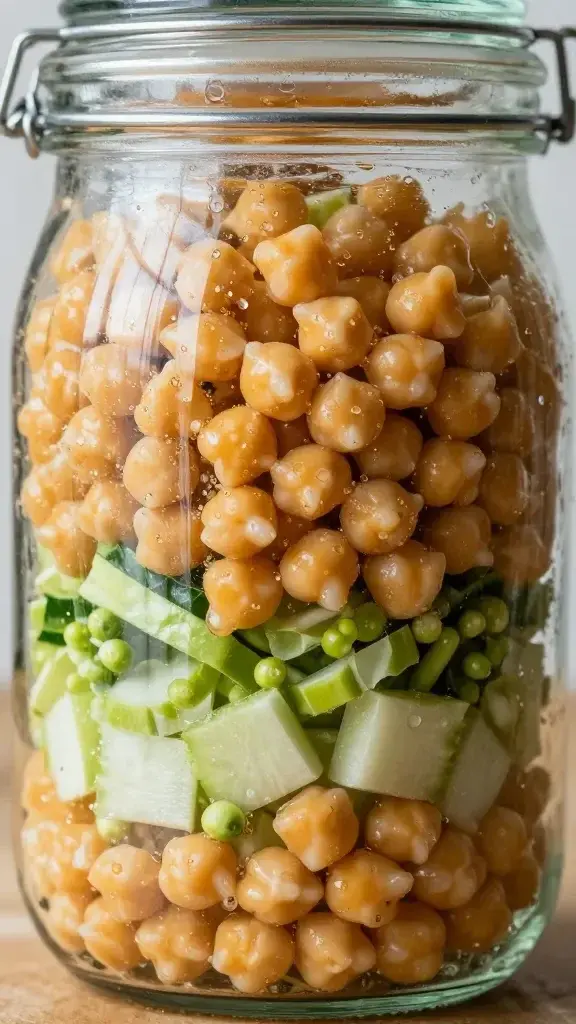
Think of the jar as a tiny stage. The bottom is where the dressing goes, the middle is where the flavor hides, and the top is where the crunch stays crisp.
– Base dressing: olive oil, lemon juice or apple cider vinegar, a pinch of salt, pepper, and a dab of Dijon or honey.
– Veggies that survive the soak: cucumbers, cherry tomatoes (split if you like), red onion slivers, bell pepper strips, broccoli florets (tiny), or shredded cabbage.
– Protein and texture: chickpeas or your favorite legumes for heft; add olives or feta if you’re feeling fancy.
– Crunch on top: pumpkin seeds, toasted almonds, sesame seeds, or a handful of fresh herbs for brightness.
Pro tips for layering success
– Keep delicate greens (arugula, spinach) out of the direct contact zone; they wilt fast. Layer them near the top or skip until you’re ready to eat.
– If you’re grabbing this on the go, leave some crunchy toppings in a separate mini container and add at the last moment.
– For a lunch that travels well, pack the dressing separately and pour when you’re ready to eat. Your future self will thank you.
Flavor bombs you can mix in
This jar isn’t a one-note affair. You can tailor it to mood, season, or whatever you found at the farmers market.
– Citrus-zest magic: add orange or lime zest to the dressing for a zingy lift.
– Smoky undertones: a pinch of smoked paprika in the dressing or a few roasted chickpeas on top.
– Herbaceous happy dance: big handfuls of parsley, cilantro, or dill brighten every bite.
– Spice lovers unite: a little chili crisp or pinch of red pepper flakes brings the heat without overt heaviness.
How to customize for dietary goals
– Vegan vibe: skip cheese; go for avocado slices or tahini drizzle.
– Higher protein: double the chickpeas or toss in edamame.
– Low carb: trade in shredded cabbage and swap in raw zucchini ribbons for crunch without the bread.
Storage, transport, and the “how long” question
The big draw here is convenience. You can prep a few jars on a Sunday and have grab-and-go lunches all week.
– Storage: refrigerate up to 4 days. The dressing will mingle with the veggies and get more flavorful as it rests.
– Transport: glass jars with tight lids are ideal. If you’re rough on lids, consider a silicone cap or wrap for extra security.
– Freshness test: if it smells off, or if the veggies look slimy, don’t risk it. When in doubt, toss it out and start fresh.
Meal-prep ideas that go beyond a single jar
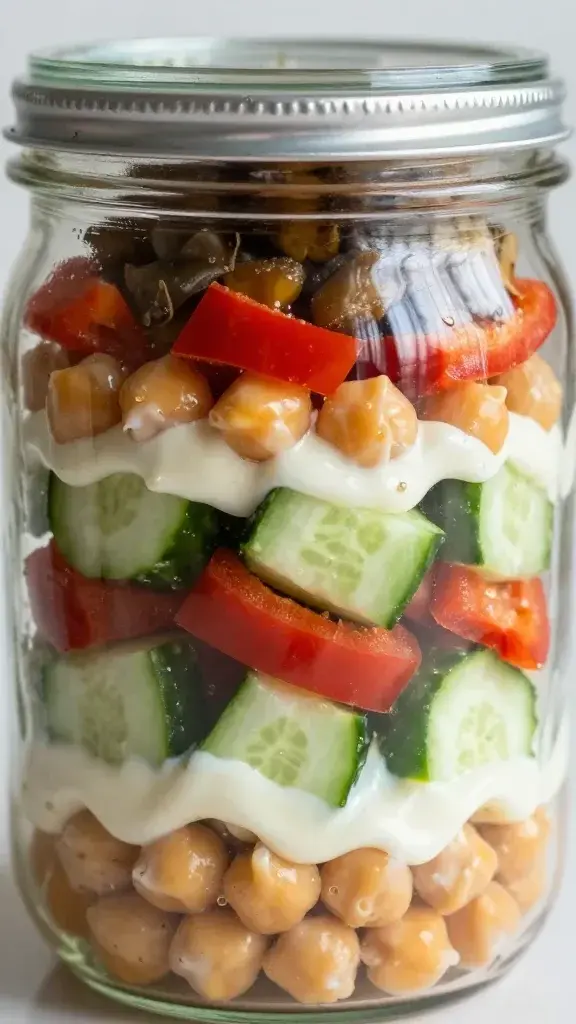
This concept scales up without drama. Here are some ideas to keep things interesting.
– Make-ahead multi-jar week: vary proteins (chickpeas, lentils, white beans) and switch veggies to keep flavor fresh.
– Party-friendly jars: set up a “build-your-own” bar with jars labeled by dressing, add-ins, and toppings for guests to customize.
– Snackable sides: mini jars with a tangy vinaigrette and a few raw veggies become the perfect road trip snacks.
Salad jar shortcuts you’ll love
– Pre-chopped veggies: saves time, and you’ll actually use them.
– Pre-cooked chickpeas: cook a big batch, freeze in small portions, and thaw as needed.
– Dressing in a separate bottle: pour a little bit into each jar right before eating if you expect a soggy situation.
Flavorful variations to try next
If you’re chasing novelty, here are a few ready-to-go riffs you can mix and match.
– Mediterranean mood: cucumber, cherry tomatoes, red onion, Kalamata olives, feta, and a lemon-oregano dressing.
– Tex-Mace: black beans, corn, bell peppers, cilantro, lime juice, and a cumin-lue dressing.
– Crunchy comfort: shredded cabbage, shredded carrot, chickpeas, pepitas, and a maple-mustard dressing.
FAQ
Can I make soaked salad jars in advance for the week?
Yes. Prepare the dressing in advance and keep it in a separate container. Layer your jars with vegetables and chickpeas, then add the dressing right before you eat to preserve crunch.
What if my veggies get soggy while soaking?
You can minimize sogginess by placing greens on top, using firmer veggies on the bottom, and keeping delicate greens out of direct contact with the liquid. Adding crunchy toppings at the end helps, too.
Are chickpeas necessary, or can I swap them?
Chickpeas are a great protein boost, but you can swap in black beans, lentils, or edamame. Each brings a different texture and flavor dynamic, so have fun experimenting.
How do I keep the flavor bright after days in the fridge?
A splash of fresh lemon juice or a quick toss with a bright dressing just before eating keeps things lively. Fresh herbs sprinkled on top also revive flavors.
What’s the best dressing ratio for a soaked jar?
A solid starting point is 3 parts oil to 1 part acid (vinegar or citrus), plus a teaspoon of honey or mustard per 1 cup of dressing. Adjust to taste, and don’t fear a little salt—taste as you go.
Conclusion
Soaked Salad Jar with Veggies and Chickpeas is basically your new lunch BFF: portable, customizable, and surprisingly satisfying. It makes plant-based eating feel like a flex, not a chore. If you’re ever tempted to skip the greens, remember this jar—crunch, zing, and protein all in one bite. IMO, it’s the simplest way to win lunch without sacrificing flavor. Give it a whirl, and tell me which combo becomes your signature.