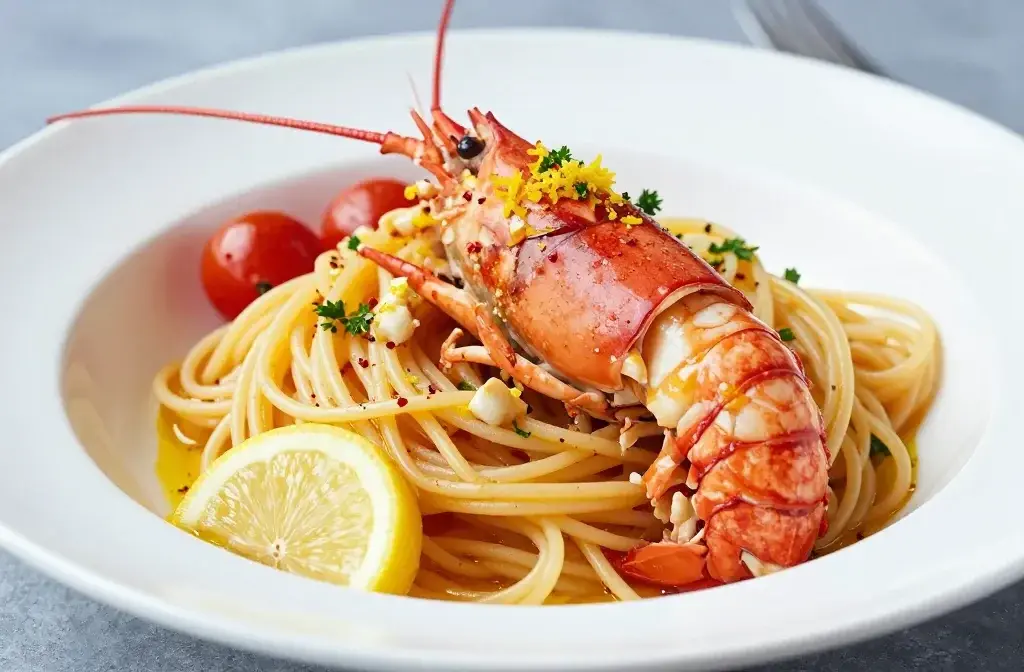
Light Lobster Pasta with Olive Oil and Garlic: Bright, Simple Ocean Fancy
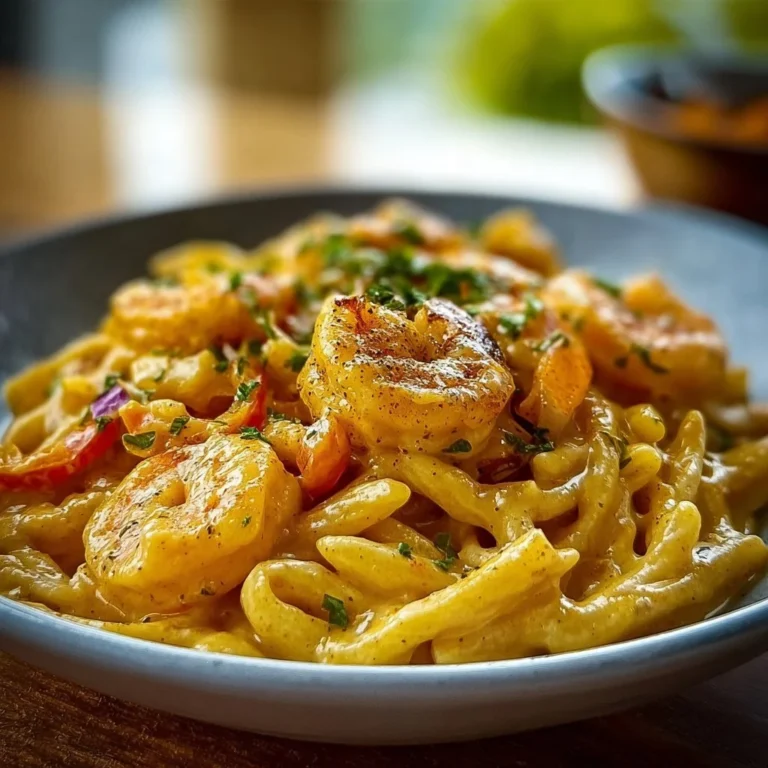
A pan that sizzles, a pot that bubbles, and a fan club of garlic fans in your kitchen — welcome to the light, bright world of Light Lobster Pasta with Olive Oil and Garlic. This is seafood without the heaviness, elegance without the fuss, and yes, it still feels like a splurge. FYI, you’re about to say goodbye to bland alfredo and hello to vibrant, glossy ocean gold in under 30 minutes.
What makes this lobster pasta so bright and refreshing
– Fresh lobster lends sweetness without heaviness when you balance it with good olive oil and garlic.
– A touch of lemon wakes the dish up, while chili flakes add a wink of heat.
– The secret weapon? Pasta water. It garlic-kisses the sauce and helps everything cling.
Ever wondered why olive oil deserves a starring role? It’s not just a dressing; it’s the glue that coats every strand and makes the garlic shimmer rather than burn. We’re going for a light, glossy sauce here, not a big, cheesy pool. Cozy, but breezy.
What you’ll need (the short list)
– Fresh lobster tails or shelled lobster meat (about 8–12 ounces)
– Spaghetti or linguine (about 12 ounces)
– Extra-virgin olive oil (good quality, 1/4 cup)
– Garlic (4–6 cloves, sliced thin or minced)
– White wine (optional, 1/2 cup)
– Lemon (zest and juice from 1 lemon)
– Red pepper flakes (a pinch)
– Fresh parsley (a handful, chopped)
– Salt and pepper to taste
– Optional: cherry tomatoes for a pop of color
If you’re worried about lobster price, hold up—you can use smaller amounts of lobster and stretch it with the pasta and olive oil for a lighter vibe. IMO, the olive oil really carries the dish, so don’t skimp there.
Step-by-step: cooking with confidence
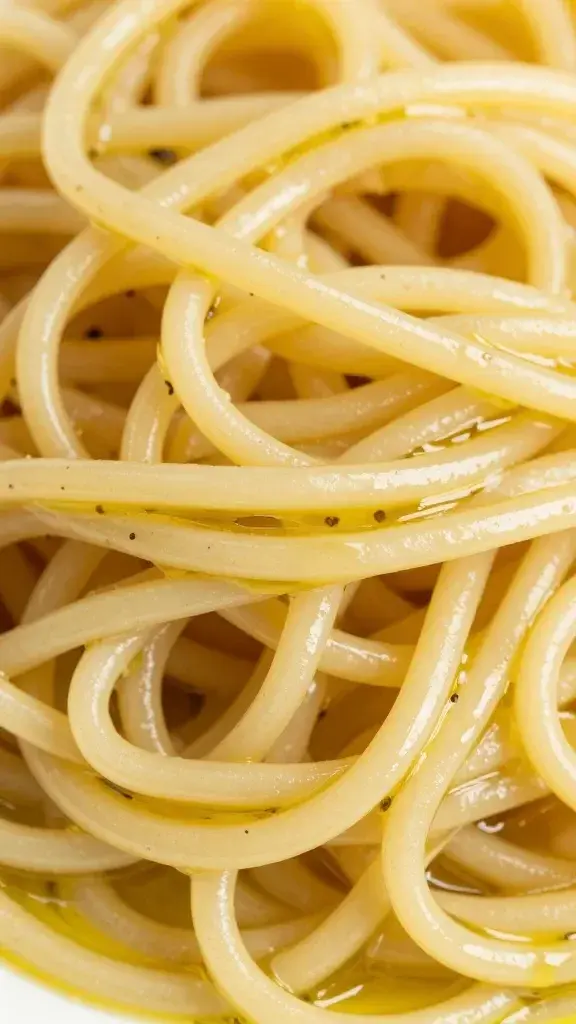
- Cook the pasta in salted water until al dente. Reserve about a cup of the starchy water. Drain and set aside.
- Meanwhile, heat olive oil in a large skillet over medium heat. Add garlic and red pepper flakes. Sauté just until the garlic is fragrant and lightly golden—watch it like a hawk, because burnt garlic is tragic.
- If you’re using lobster tails, sear them in the skillet briefly, just until you get a little color. If you’re using pre-cooked meat, just warm it through without drying it out.
- Deglaze with white wine if you’ve got it, letting it reduce by half. This is where the dish breathes and gets a tiny bit of acidity—a good thing, trust me.
- Add lemon zest and juice, then toss in the cooked pasta. If the sauce seems dry, splash in some pasta water a few tablespoons at a time until it glistens.
- Toss in chopped parsley, season with salt and pepper, and give it a final stir. Finish with an extra drizzle of olive oil for that glossy finish.
How lobster sweetness and garlic harmony happen
- Garlic should perfume the oil, not overwhelm it. Slice thin for quick, even perfume release.
- Lemon cuts through the richness and keeps things bright. Don’t overdo the lemon juice, or you’ll taste sour rather than fresh.
- Oil acts as the glossy binder. Think of it as the sauce that makes every strand cling to lobster and garlic like a tiny, delicious hug.
Subtle add-ins that still keep it light
- Cherry tomatoes for sweetness and color
- A handful of arugula at the end for a peppery bite
- A splash of white wine or a squeeze of lemon right before serving
Texture and timing: the balance you’re chasing
– Don’t overcook the lobster. It should be just opaque and tender. A slight give is perfect.
– Pasta should be al dente; it finishes cooking in the pan with the sauce. This is the trick to a glossy finish that clings to each strand.
– The sauce should feel like a whisper, not a shout. If it clumps, add more pasta water and keep tossing.
Want a no-fail trick? Lift the pasta from the water with a tongs, and slide it straight into the pan with the sauce. The starch from the pasta water will emulsify with the olive oil, creating that satin-smooth finish you’re chasing. FYI, this is worth practicing.
Flavor tweaks: dialing it from good to unforgettable
- Salt early, taste late. Start with a modest pinch, then adjust after you’ve added pasta water.
- Use an extra drizzle of olive oil at the end. It makes the sauce gleam and coats the pasta perfectly.
- Finish with lemon juice only after you’ve turned off the heat. Heat fries the brightness; a cool finish preserves it.
Optional seafood upgrades
- Scallops seared in olive oil add a buttery bite without heaviness.
- A splash of clam juice can boost the ocean flavor if you’re skipping wine.
Serving ideas: plating without drama
– Plate with a flourish: a nest of pasta, a few lobster pieces on top, and a light drizzle of olive oil.
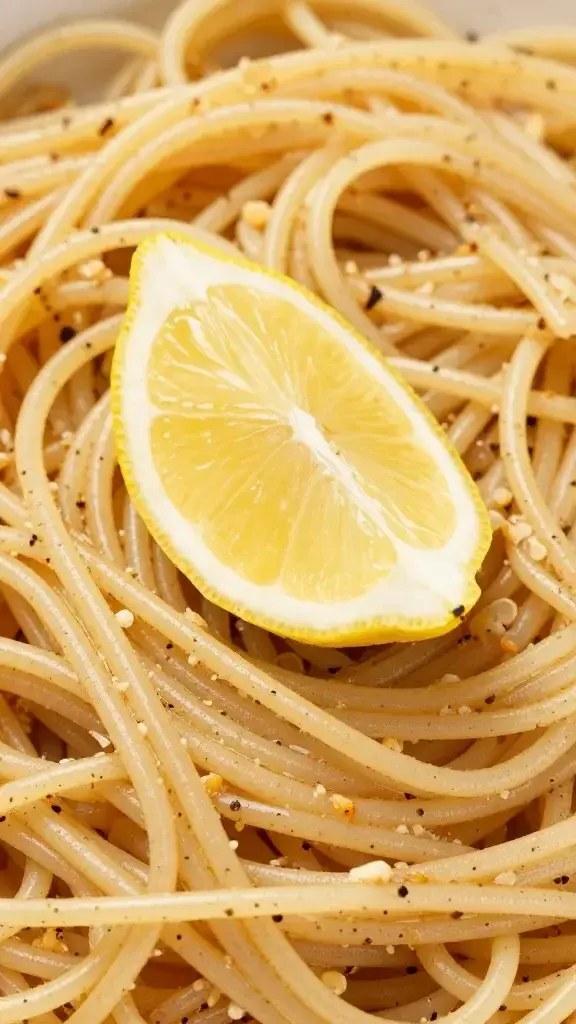
– Garnish with parsley and a little lemon zest. It looks chef-y without trying too hard.
– Serve with crusty bread for sopping up the delicious sauce. Yes, you deserve it.
If you’re feeding a crowd, set out a couple of bowls: one for lemon wedges, one for extra red pepper flakes. People love a little control, especially when they’re staring at glossy seafood pasta.
Common pitfalls to avoid (so you don’t cry into your garlic bread)
- Burnt garlic. It ruins the entire vibe. Keep the heat steady and move fast.
- Overcooked lobster. It becomes tough and sad. Pull from heat as soon as it’s done.
- Dry sauce. If you see it clinging too aggressively, splash in pasta water and toss again.
FAQ
Can I use frozen lobster for this dish?
Yes, but thaw it fully and pat dry before cooking. Frozen lobster can release extra moisture, so you might want to cook it a touch longer, then rest the sauce briefly to re-emulsify.
Is there a non-alcohol version if I don’t want wine?
Absolutely. Use chicken or vegetable stock with a splash of lemon juice and a little extra salt to compensate for the missing acidity. The wine adds depth, but it’s not mandatory.
What pasta shape works best?
Long, slender shapes like spaghetti or linguine work beautifully because they wrap around lobster bites. Fettuccine is a close second if you prefer a heartier bite. Keep it al dente.
How do I make this sauce even lighter?
Skip the wine, use extra-virgin olive oil and a bit more pasta water to emulsify. Add a little lemon zest at the end to keep brightness high without adding heaviness.
Can I make this ahead?
Not really. The magic happens when everything is warm and glossy together. You can prep ingredients in advance (chop garlic, zest lemon, thaw lobster), but assemble and finish just before serving for best texture and flavor.
Conclusion
This Light Lobster Pasta with Olive Oil and Garlic is proof you don’t have to drown a dish in cream to make it feel special. It’s all about balance: bright citrus, glossy olive oil, gentle garlic, and tender lobster. It’s the kind of meal that feels casual enough for a weeknight, but fancy enough to wow a dinner guest with minimal effort. IMO, it’s the kind of dish you’ll crave again and again.
So go ahead, splash that lemon, drift in that olive oil, and let the garlic perfume your kitchen. If you’re feeling extra, add a pinch of chili to give it a friendly kick. You’ve got this—and your taste buds are about to start clapping. FYI, dinner just got a glow-up.