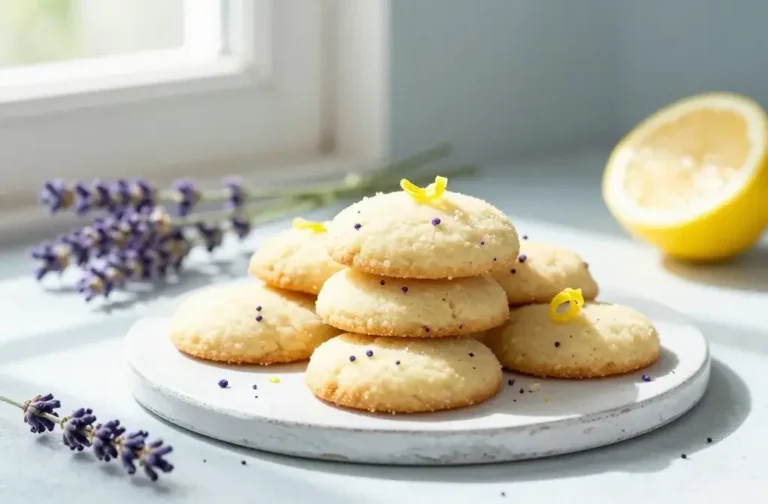
Lemon Poppy Seed Spring Cookies: Sunshine in a Bite
I’m not crying over spilled flour, I’m cheering for lemony brightness and poppy crunch. Lemon Poppy Seed Spring Cookies are basically sunshine you can bake. They’re quick, zippy, and somehow make a Sunday brunch feel like a vacation. Ready to bake happiness with a casual wink? Let’s go.
What makes these cookies so darn refreshing?
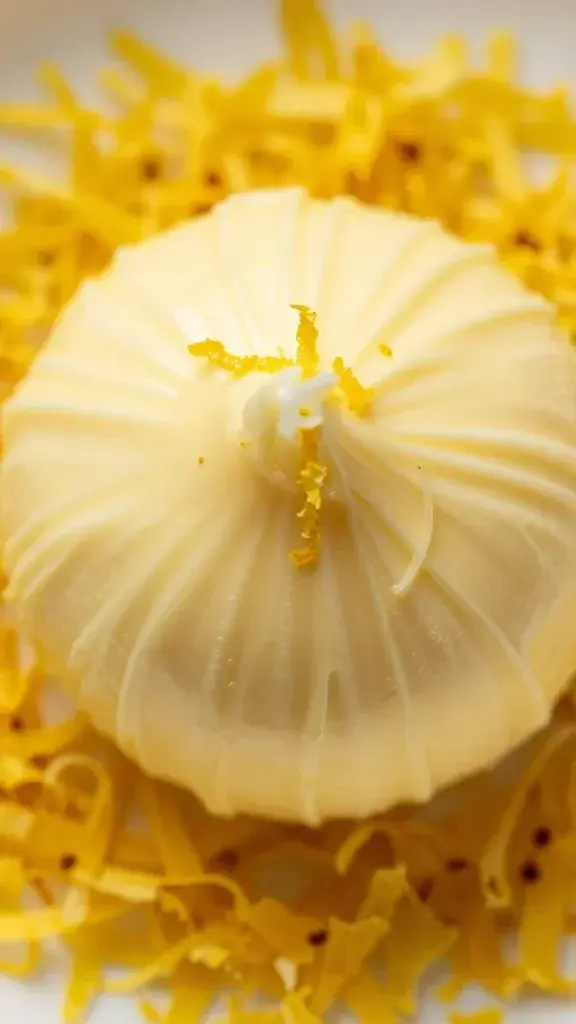
They’re basically lemon meets cookie, with a tiny crunchy poppy seed twist. The zest wakes up the afternoon, the juice keeps things juicy, and the poppy seeds add a little texture that’s oddly satisfying. FYI, you don’t need to be a pastry wizard to pull this off. If you can cream, zest, and roll dough, you’re golden.
Ingredients that feel like a hug
– Bright citrus: fresh lemon zest and juice for that tangy zing.
– Butter or a plant-based swap that’s still mellow and rich.
– Sugar: a touch of granulated, maybe a whisper of powdered for smoothness.
– Flour and a pinch of salt to keep everything honest.
– Poppy seeds: the star texture element.
– Two optional add-ins to customize: white chocolate chips for sweetness, or almond extract for a nutty tilt.
Why these exact parts? Because they strike a balance between bright citrus, buttery softness, and a little nutty snap. If you’re allergic to poppy seeds, cashews and sesame seeds can stand in, but honestly, the tiny crunch is part of the charm.
The dough diary: what you’re really mixing

– Cream butter and sugar until it’s fluffy enough to pastel-sky bake in your kitchen.
– Beat in eggs one by one if you’re not going dairy-free.
– Fold in lemon zest and juice, then sprinkle in flour, salt, and poppy seeds.
– Chill time matters. A quick 30 minutes helps the dough hold together; overnight chilling amps up flavor.
– Scoop or roll into little rounds, then bake until the edges just set.
A couple of tips you’ll thank me for:
– Don’t overmix after the flour hits. The more you mix, the tougher the cookie.
– If the dough feels too soft, refrigerate longer. This isn’t a speed-dasting race; cookies like to behave.
Texture and flavor: what to expect
– Exterior: a delicate golden edge that gives a gentle crunch.
– Interior: soft, citrus-kissed crumb that remains chewy rather than crumbly.
– Flavor: bright lemon upfront, a mellow butter base, and a wink of vanilla or almond if you’re feeling fancy.
– Aftertaste: clean, citrusy finish that makes you want a glass of milk or a hot cup of tea.
If you crave extra brightness, finish with a light drizzle of lemon glaze. It’s like turning a cookie into a tiny citrus sun.
Variations to suit your vibe
Heritage lemon poppy
– Use a tad more zest for a punchier lemon bite.
– Keep the dough slightly looser for a more cakey texture.
Short and snappy cookies
– Dough chilled briefly, then scooped into neat little rounds.
– Bake times stay short for soft centers and chewy rims.
Glazed glow-up
– Whisk lemon juice with powdered sugar for a glaze.
– Drizzle warm cookies after they cool and let the glaze set.
Storage and make-ahead tricks
– Store in an airtight container at room temp for up to 4 days. No drama, just delicious cookies ready when you are.
– Freeze baked cookies for up to 2 months. Thaw at room temperature or warm gently in a 300°F oven for a few minutes to revive the snap.
– Dough can be made ahead and chilled for up to 3 days. You’ll thank yourself when guests arrive unannounced.
Pairings and serving ideas
– Pair with a cup of Earl Grey or a glass of sparkling water with a lemon twist.
– Serve as part of a spring brunch spread with yogurt parfaits and fresh fruit.
– Crumble over vanilla ice cream for a citrusy cookie crumble dessert. Yes, you can DIY a mini sundae bar with these.
Common pitfalls and how to dodge them
– Pitfall: cookies spread into thin sheets.
Fix: chill the dough, use parchment, and don’t overbake. Edges should look just set.
– Pitfall: lemon flavor is muted.
Fix: add more zest or a splash of juice to the dough. A quick micro-step? Grate the zest finely so the oils are released.
– Pitfall: dry cookies.
Fix: measure flour properly and don’t overmix. If they seem dry, a teaspoon of milk or water can help bring them back to life.
FAQ
Can I use almond extract instead of vanilla?
Yes. A drop or two of almond extract adds a nice nutty brightness. If you love almond, lean into it a bit more, but don’t go overboard—balance is key.
Are these cookies better with white chocolate?
IMO they’re great with white chocolate, especially in the spring vibes. It complements the lemon. If you’re not a chocolate person, skip it and keep the focus on citrus and poppy.
What’s the best lemon variety to use?
Any bright, fresh lemon works. If you want a punchier citrus note, use Meyer lemons for a sweeter, mellower lemon flavor; for sharper brightness, go with standard lemons.
Can I make these gluten-free?
Absolutely. Use a gluten-free all-purpose flour blend that’s suitable for cookies. You may need a touch more liquid or a quick extra shake of zest, but you’ll still get a nice bite.
How do I know when they’re done?
Edges should be lightly golden and centers set but still a touch soft. They firm up as they cool, so pull them when they look barely set in the middle.
Conclusion
If you want a cookie that feels like a sunny afternoon and tastes like a tiny celebration, these Lemon Poppy Seed Spring Cookies are your new go-to. They’re simple, flexible, and forgiving enough for bakers of all levels. So next time you crave something zippy, grab your zest, a sprinkle of poppy, and bake your way to citrus bliss. You won’t regret it.