Lemon Garlic Chicken with Asparagus Skillet: Weeknight Wow
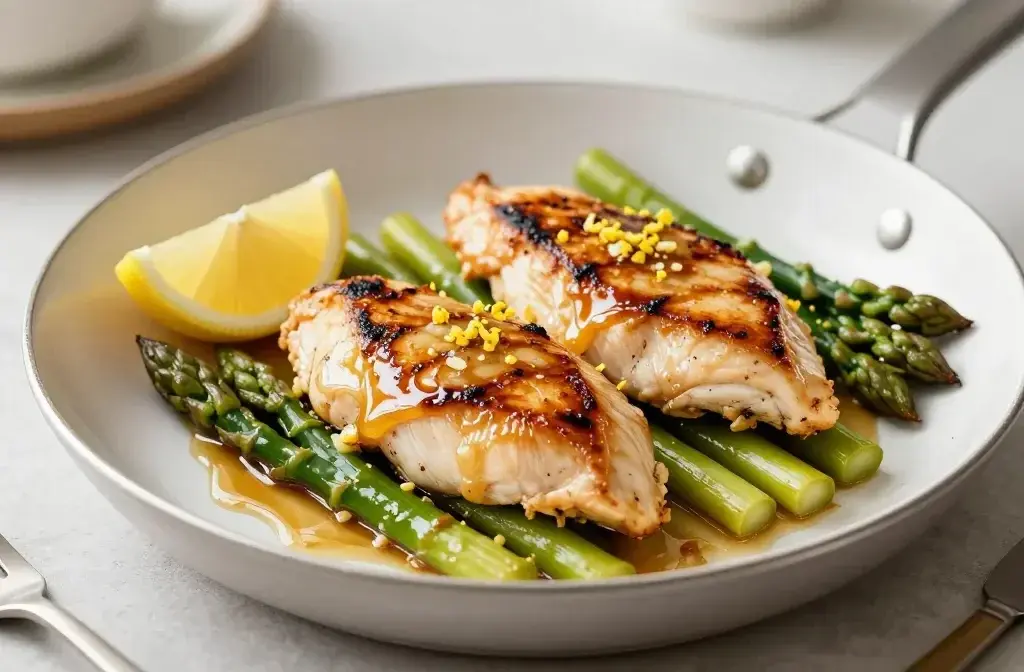
The moment you smell lemon and garlic sizzling in butter, you know dinner just got upgraded. This Lemon Garlic Chicken with Asparagus Skillet is your weeknight hero—bright, saucy, and ridiculously easy. No fuss, no long ingredient lists, just good vibes and great flavor.
Why this skillet hits different
Ever notice how sometimes a simple combo just works? Garlic, lemon, and chicken are basically the dream team, and asparagus slides in like the supportive friend who brings snacks to the party. The skillet method keeps all the flavors close, the chicken juicy, and the veggies perfectly crisp-tender. FYI, you’ll get a glossy sauce that coats everything without needing a million spoons to stir.
What you’ll need (pantry-friendly version)
– 4 boneless, skinless chicken breasts (or thighs if you’re team dark meat)
– 1 bunch asparagus, trimmed
– 3 cloves garlic, minced
– 1 lemon (zest and juice)
– 1/2 cup chicken broth or dry white wine
– 2 tablespoons butter
– 2 tablespoons olive oil
– Salt and pepper
– Optional: red pepper flakes for a kick, fresh parsley for color
- Tip: you can swap in yogurt or cream for a creamier sauce, but don’t dump it all at once—maps to a different flavor vibe.
- Tip: if you’re dairy-free, use olive oil for sautéing and skip the butter, or use a splash of coconut cream at the end for silkiness.
Step-by-step: getting that perfect sear
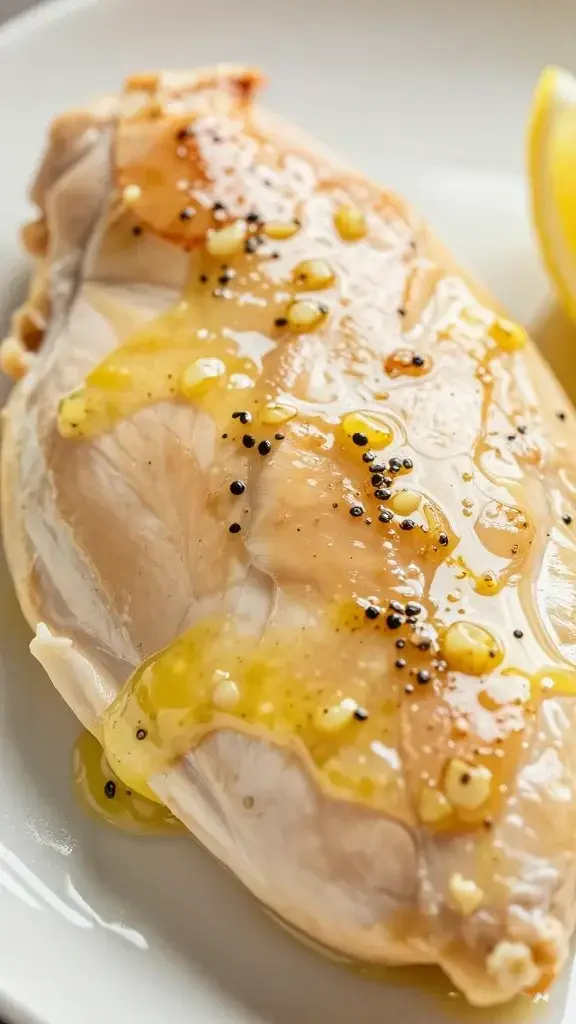
1. Season the chicken generously with salt and pepper. A little paprika or oregano can add personality, if you’re feeling fancy.
2. Heat olive oil in a large skillet over medium-high heat. When it shimmers, lay in the chicken. Don’t crowd the pan—work in batches if needed.
3. Sear until golden, about 3-4 minutes per side. You want a crust that lifts off easily. If it sticks, give it another minute; it’ll release when it’s ready.
4. Remove chicken and set aside. Don’t clean the pan yet—the fond is pure gold for flavor.
Nailing the lemon-garlic sauce
– In the same pan, add butter and a touch more oil if needed. Toss in minced garlic and sauté for 30-40 seconds until fragrant. Don’t let it burn—garlic hates that.
– Add lemon zest and juice, chicken broth, and a pinch of salt. Let it simmer for 2-3 minutes to reduce a touch.
– Return chicken to the pan and simmer for another 5-6 minutes, until the chicken reaches 165°F (75°C) and the sauce thickens just enough to coat the back of a spoon.
Asparagus: timing it right
Asparagus cooks fast, so you want it to hit the pan when the sauce is starting to thicken but the chicken is already close to done.
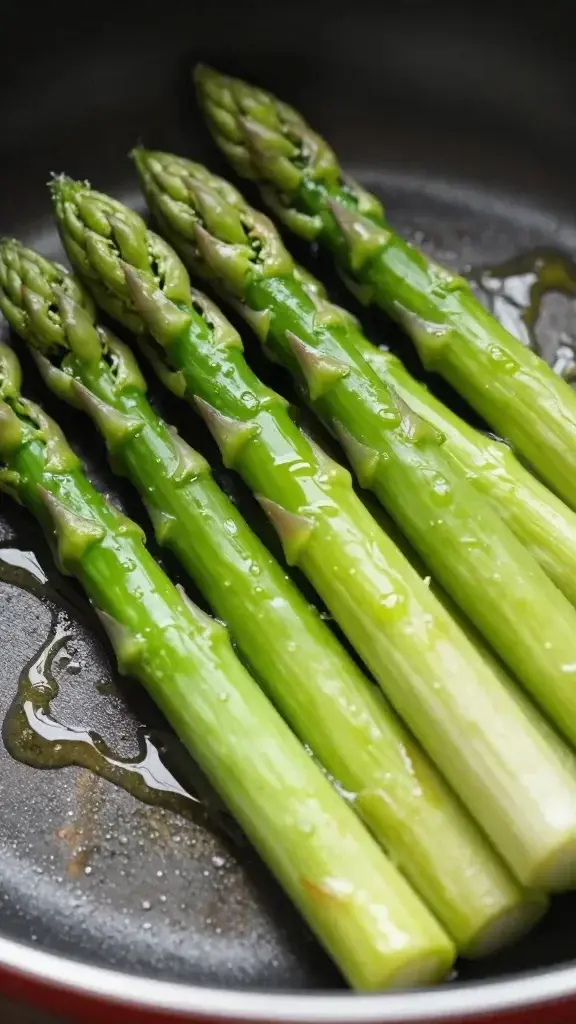
– Add asparagus to the skillet in a single layer. If your stalks are thick, give them a quick toss to coat with the sauce.
– Cook for 4-5 minutes, until crisp-tender. If you like them softer, give them an extra minute or two.
– Optional flourish: squeeze a little extra lemon over the asparagus for a bright finish and a sprinkle of chopped parsley for color.
Flavor upgrades you’ll actually use
– Fresh herbs: dill or parsley brighten things up, and thyme adds a savory note you didn’t know you needed.
– Heat level: a pinch of red pepper flakes brings a subtle kick without overwhelming the lemon.
– Creamy version: swirl in a splash of heavy cream or coconut cream at the end for an ultra-smooth sauce. IMO, it’s a game changer if you’re in the mood.
Serving ideas that feel effortless
– Serve straight from the skillet with a side of crusty bread to mop up the sauce.
– Spoon over a bed of rice, quinoa, or mashed potatoes to catch every last drop.
– A simple green salad on the side completes the meal without turning dinner into a production.
Make-ahead and meal-prep options
– Prep the chicken and asparagus ahead: chicken can be seasoned the night before; asparagus can be trimmed and washed.
– Cooked components store nicely: chicken and asparagus can chill separately for up to 3 days; reheat gently to avoid drying out the chicken.
– Freeze note: not ideal for asparagus texture after freezing, so best to cook fresh if you’re freezing leftovers.
Common pitfalls and fixes
– Soggy asparagus: avoid piling it on the pan; give it room and high heat for a quick sear, then finish with the sauce.
– Dry chicken: don’t overcook. Use a thermometer and pull at 160°F, then let it rest for a few minutes—the carryover heat will finish the job.
– Garlic turning bitter: keep heat medium-low after adding garlic to bloom aromatics without burning.
FAQ
Can I use bone-in chicken for more flavor?
Yes, but you’ll need to adjust the cooking time. Bone-in thighs stay juicy, but you’ll likely need longer searing and a longer simmer to reach 165°F. Cut the cooking time of the sauce slightly once the chicken is cooked through.
What if I don’t have asparagus?
Any quick-cooking green would work—green beans, broccoli florets, or zucchini slices all behave nicely in this setup. You’ll just adjust the cook time to keep them crisp-tender.
Can I make this dairy-free?
Absolutely. Skip the butter or replace with a dairy-free butter substitute. Use olive oil for sautéing and a splash of coconut cream at the end for a silky finish, if you like.
Is there a way to make this ahead and still taste fresh?
Cook the chicken and vegetables, then chill. Reheat gently in a skillet, adding a splash of broth or water to loosen the sauce. Fresh lemon juice right before serving helps revive bright flavors.
What’s the best side to pair with this?
Crusty bread or a soft pilaf soaks up that lemony sauce like a pro. A simple side salad gives you a nice contrast and keeps things light.
Conclusion
There you have it: a weeknight winner that feels like a hug from your own stove. Lemon, garlic, and butter play nice with juicy chicken and crisp asparagus, all in one pan. It’s bright enough to feel fancy, but simple enough that you can actually pull it off after a long day. So grab your skillet, squeeze that lemon, and cook like you actually know what you’re doing. FYI, friends will be begging for this recipe, and you’ll be grinning every time you make it.