Langostino Lobster Skillet Dinner: Sizzle at Home
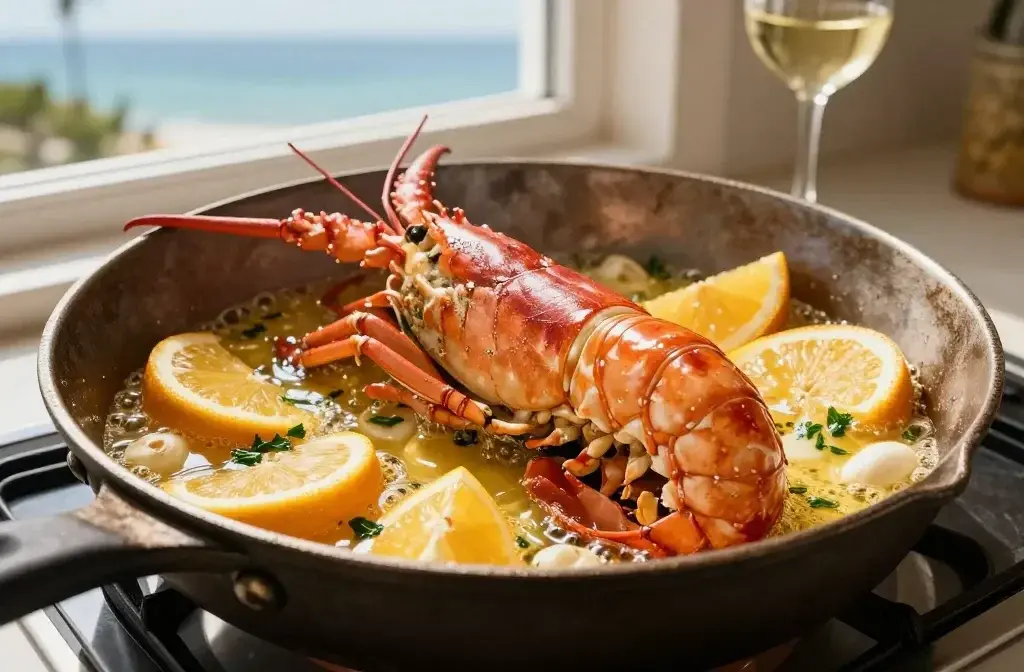
The skillet was screaming for a seafood party, and I answered with Langostino Lobster. It’s basically lobster vibes without the lobster price tag. Grab a pan, a smile, and a little corner of your kitchen that can pretend it’s a seaside bistro.
What makes Langostino Lobster Skillet Dinner so satisfying
Langostino lobster is the tasty, budget-friendly doppelgänger of real lobster. It has that sweet, briny bite without the drama of cracking shells. When you sauté it all in a skillet with garlic, butter, and citrus, you get a restaurant-worthy moment at home. FYI: this dish isn’t shy about bold flavors, so expect zing, in the best way.
Pick your langostino and plan your skillet
– Where to find it: Look for langostino tails in the seafood case or frozen section. If you spot “langoustine” on the bag, don’t panic—that’s the same family.
– Fresh vs. thawed: Fresh is nice, but thawed frozen keeps things convenient. Just pat dry before cooking so you don’t steam the flavor out.
– Portioning: Aim for about 6-8 ounces per person if it’s the star, or mix with other seafood if you’re feeding a crowd.
Flavor builders that make the skillet sing

This dish lives and dies by its supporting cast. Think garlic, butter, lemon, white wine, and a sprinkle of chili heat if you’re feeling spicy.
Garlic and butter: the magical duo
– Melt butter gently to coax out the aroma, then whisk in minced garlic. Don’t rush this step or you’ll burn the gold out of your garlic.
– Pro move: finish with a splash of lemon juice to wake things up.
Acid, spice, and everything nice
– Lemon juice and zest brighten the shellfish. The acid doesn’t hide; it highlights the sweetness.
– A pinch of red pepper flakes adds a quick, warm kick. If you hate heat, skip it or go only half a pinch.
Step-by-step: how to sear langostino like a pro
1. Pat langostino dry and season lightly with salt.
2. Heat a skillet over medium-high heat and add oil, then butter.
3. Sear langostino for 1-2 minutes per side until opaque and lightly browned.
4. Remove from pan, then build your sauce in the same skillet.
5. Return langostino to the pan, toss with sauce, and finish with herbs.
– Protip: don’t overcrowd the pan. You want a nice sear, not a boiled mess.
– Want more texture? Toss in cherry tomatoes or asparagus in the final minutes for color and crunch.
The sauce that makes or breaks it
A good skillet dinner should have a sauce that clings, not pools. You’re aiming for a glossy, lightly reduced pan sauce that coats every bite.
White wine or broth—your call
– White wine adds brightness and acidity. If you’re not drinking wine, swap in chicken or seafood broth.
– Reduce a minute or two before adding the langostino back in, so the flavors concentrate.
Butter finish and herbs
– After the sauce reduces, swirl in a last tablespoon of butter to thicken and shine.
– Finish with chopped parsley or chives for color and a fresh, herby finish.
Serving ideas: beyond a plate

– Pasta partner: toss with a little of the sauce and a handful of al dente spaghetti or linguine.
– Over grains: spoon over quinoa, farro, or couscous for a hearty alternative.
– Veg-forward plate: pair with blistered cherry tomatoes and sautéed spinach to brighten the dish.
Garnishes that elevate
– Fresh herbs, lemon zest, and a light drizzle of olive oil make it pop.
– A sprinkle of grated Parmesan can feel fancy without being over the top.
Common pitfalls—and how to dodge them
– Overcooking the langostino: it cooks fast, and overcooking makes it rubbery. Keep an eye on it and pull it when opaque and just barely cooked through.
– Skipping the pat-dry step: excess moisture steam robs you of a nice sear.
– Forgetting the finish: the sauce only shines with a proper reduction and a butter finish. Don’t skip the last step.
Meal prep and leftovers: smart, not scary
– Prepped ingredients: chop garlic, zest lemon, and measure wine in advance. Your future self will thank you.
– Storage tips: store leftovers in an airtight container for up to 2 days. Reheat gently in a skillet with a splash of broth to avoid drying out.
– Make it a meal prep hero: cook a big batch of your preferred grain at the start of the week, then reheat with langostino portions for quick dinners.
FAQ
Can I use other shellfish with langostino?
Yes. Shrimp, calamari, or white fish chunks work nicely in a shared skillet. Just adjust cooking times so nothing overcooks.
Is langostino the same as lobster?
Not exactly. Langostino mimics lobster flavor in a more affordable way and with a different texture. It’s a close cousin, plus it’s easier on the wallet, which is a win in my book.
What wine pairs well with this dish?
A light, crisp white like Sauvignon Blanc or Pinot Grigio. If you’re not drinking, go with the same style in a broth instead.
Can I make this dairy-free?
Totally. Use olive oil instead of butter and finish with olive oil plus lemon instead of butter. The flavor stays bright, and you still get that seafood goodness.
How spicy should I make it?
Start mild. A pinch of red pepper flakes adds warmth without stealing the show. If you love heat, go ahead and up it a notch, but taste as you go.
Conclusion
Langostino Lobster Skillet Dinner is the kind of dish that makes you feel chef-y without requiring a culinary degree. It’s fast, it’s flavorful, and it travels well from weeknight rescue mission to weekend-friendly feast. You get sweet shellfish, a bright, glossy sauce, and enough personality to make your kitchen feel like a tiny coastal bistro. So go ahead—sizzle, stir, and squeeze that lemon. Your taste buds deserve a little sun-soaked comfort, and your skillet is ready to deliver.