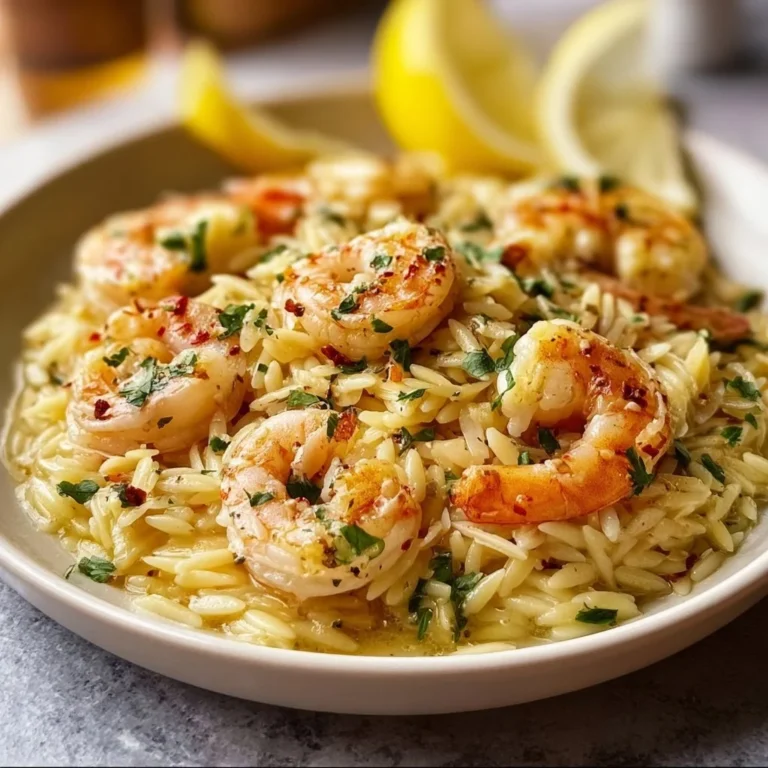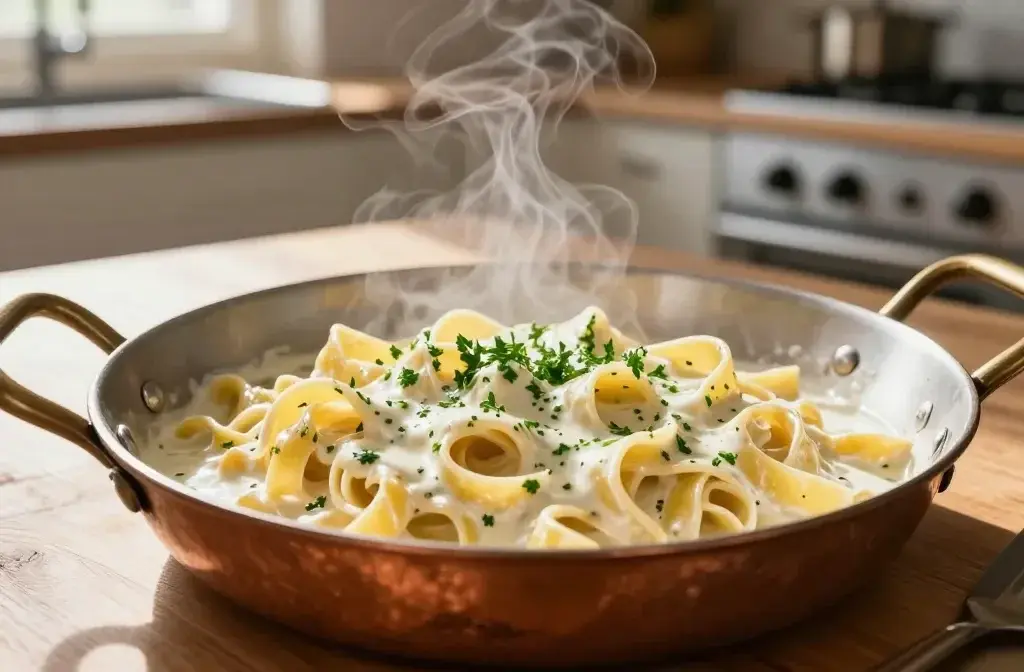
Creamy Langostino Seafood Pasta Skillet: Weeknight Comfort
If you’re craving comfort on a skillet, this Creamy Langostino Seafood Pasta is your new weeknight MVP. It comes together faster than you can say “dine-in,” and it tastes like a hug from the sea. Grab a fork and let’s dive in—no fuss, all flavor.
What makes this Creamy Langostino Pasta magic
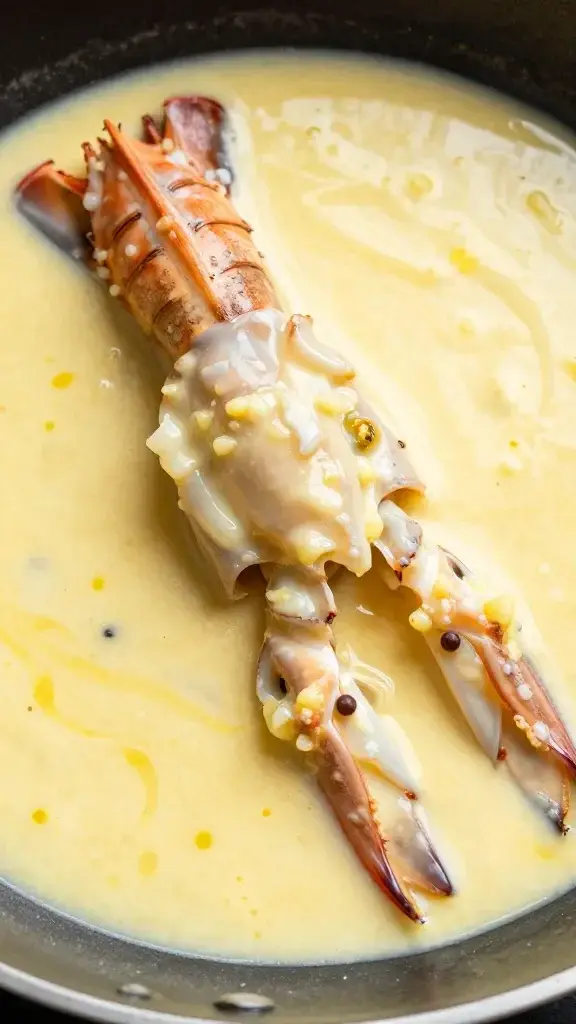
Langostino tails bring a delicate sweetness that’s not as fishy as other seafood, but they still scream seafood supper. When you coat them in a silky cream sauce with garlic, lemon, and a hint of white wine, you get a dish that feels indulgent without requiring a Michelin-starred kitchen. FYI: you don’t need a fancy skillet—just a good pan and a little patience for the simmer.
Ingredients that are easy to stock and swap
– Langostino tails: thawed if frozen, preferably tails only
– Pasta: fettuccine, linguine, or shells all work
– Creamy base: heavy cream or a lighter cream, with a splash of milk
– Aromatics: garlic, shallot, a pinch of red pepper flakes
– Flavor boosters: lemon zest, Parmesan, dry white wine or chicken stock
– Greens: parsley or baby spinach for color
– Salt and pepper to taste
Subsection
Smart swaps for flavor on a budget
– Swap langostino with chunks of shrimp or canned crab if you can’t find them.
– Use half-and-half instead of heavy cream for a lighter route.
– Frozen peas or spinach add color without breaking the bank.
Way to cook it like a boss
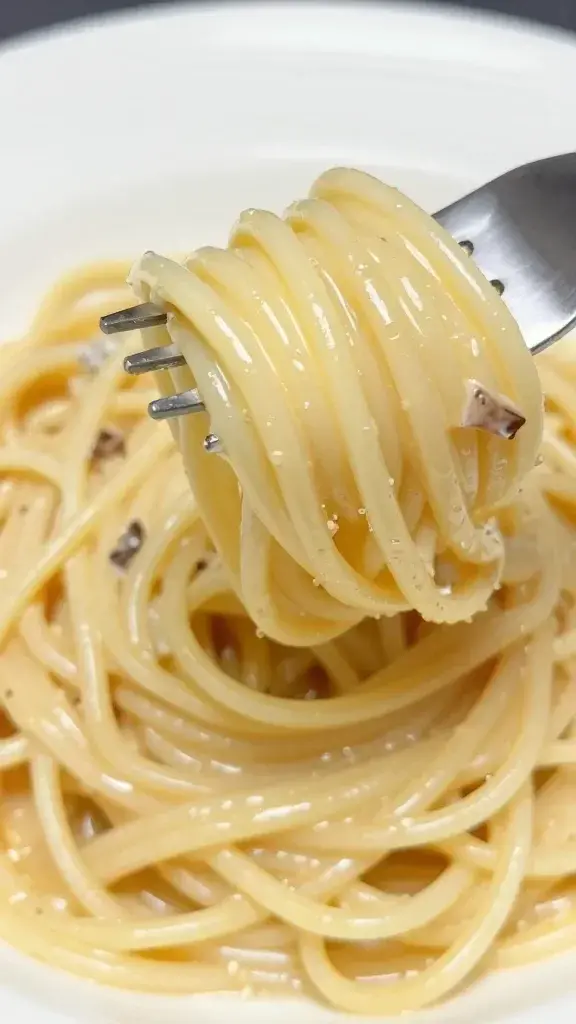
This dish shines when you keep the sauce from splitting and the pasta close to al dente. The trick is to finish the sauce in the pan with the pasta so the starch helps emulsify everything into creamy glory. Ready to roll?
- Boil pasta in salted water until just shy of al dente.
- Sauté garlic and shallot in a slick of butter or oil until fragrant.
- Deglaze with a splash of white wine or stock, letting it reduce a bit.
- Add cream and a touch of lemon zest, then simmer softly.
- Stir in langostino, Parmesan, and the hot pasta right in the pan.
Finish strong with the right timing
Do not crash the sauce into overcooked mush. It wants to cling to every strand of pasta. If the sauce looks a touch too thick, splash in a little pasta water—the water’s starch helps emulsify and loosen without watering down flavor. Remember: sauce is a living thing. Taste, adjust salt, pepper, and lemon brightness, then plate with pride.
Cool tricks to customize your skillet
- Heat level: Keep it gentle; you don’t want the cream to scorch.
- Herbs: Fresh parsley is classic, but dill or chives can add seaside brightness.
- Heat source: If you’re pan-searing langostino first, you’ll add a nutty depth, but it’s optional.
- Spice level: Red pepper flakes are your friend for a subtle kick, not a fire-breathing dragon.
Pairing ideas that won’t steal the show
– White wine: a crisp Sauvignon Blanc or Pinot Grigio keeps things refreshing.
– Side salad: something zesty with lemon vinaigrette.
– Bread: crusty baguette or garlic knots to mop up the sauce.
– Dessert: light citrus brings balance after the richness.
Make-ahead and leftovers: what to expect
Leftovers reheat surprisingly well, but sauce can thicken. Add a splash of milk or reserved pasta water to loosen, then warm gently. To save for later, portion into airtight containers and refrigerate up to 3 days or freeze up to 2 months. Pro tip: freeze just the sauce base, thaw, then toss with fresh langostino and pasta later for a near-instant meal.
Nerdy details you’ll want to know
– Why langostino? They’re tender, affordable, and hang onto sauce nicely without drying out.
– The emulsion trick: starchy pasta water helps keep the sauce glossy instead of greasy.
– Sauce texture: aim for a satin finish, not thick glue. If it thickens too much, loosen with liquid, not more cream.
Storage and safety tips
– Refrigerate leftovers within two hours of cooking.
– Reheat on stovetop over low heat to maintain creaminess; stir often to prevent scorching.
– If you notice graininess, whisk vigorously or add a touch more cream to smooth things out.
How to plate like a chef at home
– Reserve a little pasta water and drizzle it in as needed to loosen the sauce.
– Finish with a sprinkle of fresh herbs and a final crack of black pepper.
– A wedge of lemon on the side invites bright, fresh notes with each bite.
FAQ
Can I use regular shrimp instead of langostino?
Yes. Use peeled, deveined shrimp and cook just until pink and opaque. They’ll cook faster than langostino, so add them near the end to avoid overdoing them.
What if I don’t have white wine?
You can substitute with extra chicken stock or veggie stock. A little lemon juice can help preserve brightness, so add in sparingly.
Is this suitable for a weeknight meal?
Absolutely. It’s quick, forgiving, and scales up or down easily. Keep it under 30 minutes for the best effortless vibe.
Can I make it dairy-free?
Yes, swap to dairy-free creamers or coconut cream, and use olive oil instead of butter. You might lose a touch of richness, so add extra lemon zest for brightness.
How spicy is it?
If you keep the red pepper flakes moderate, you’ll get a gentle kick. Drop them entirely for a milder version or add a pinch more if you like heat.
Conclusion
This Creamy Langostino Seafood Pasta Skillet is the kind of dish you reach for when you want comfort with a bright, oceanic twist. It’s quick enough for a weeknight, fancy enough to impress a guest, and flexible enough to adapt to whatever seafood you’ve got in the fridge. IMO, it proves you don’t need a long recipe to feel like you cooked a restaurant-worthy meal. So grab your skillet, splash in some lemon, and get ready to twirl. You’re about to fall in love with weeknight seafood all over again.