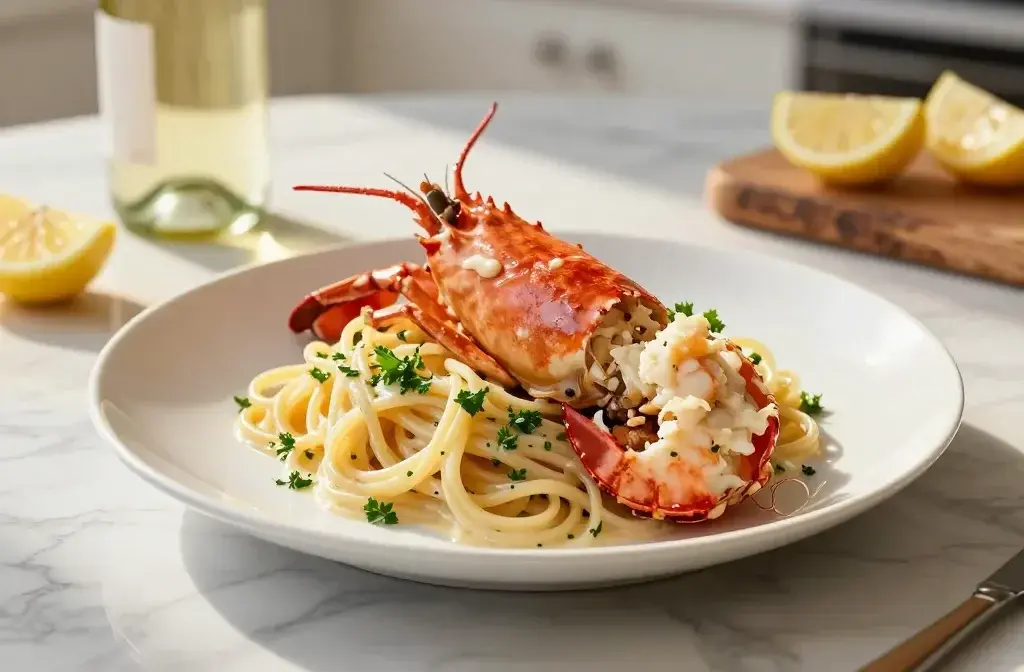
Crab and Lobster Linguine with Parsley: Luxe Weeknight
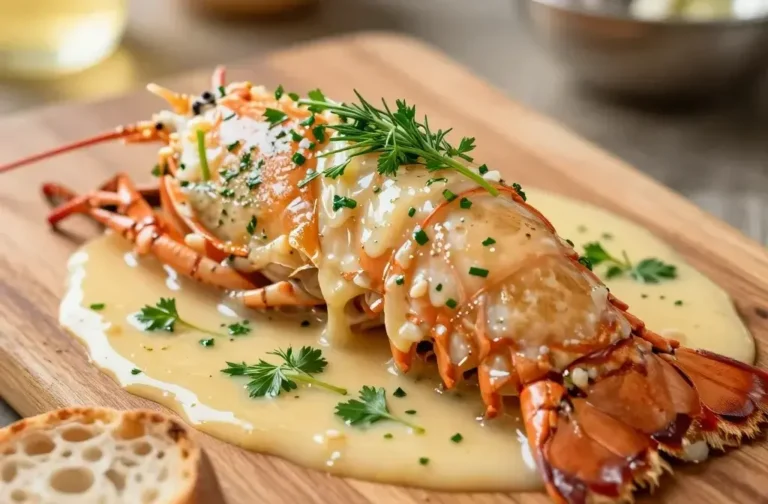
Crab and Lobster Linguine with Parsley is the kind of dish that makes you feel fancy without requiring a passport. It’s seafood that tastes like a shoreline vacation, tossed with linguine and bright green parsley. If you’re craving something comforting, quick, and a little playful, you’re in the right kitchen.
Why this dish works (and why you should care)
Crab and lobster add sweetness and a touch of luxury, while parsley brings a spark that keeps the sauce from getting sleepy. The linguine holds onto the sauce like a best friend clinging to your sleeve at a crowded party. Plus, you can tailor the seafood to what you find at the market, which makes this a flexible hero in your weeknight repertoire.
– The base is simple: garlic, wine, butter, and a splash of cream or stock.
– Parsley isn’t garnish here—it’s essential. It brightens, lifts, and adds a herbaceous punch.
– You can swap in any shellfish you like (or skip if you’re feeling frugal or allergic). FYI, king crab legs or lump lobster meat both shine.
Choosing the seafood: crab, lobster, and friendlier options
Fresh seafood makes or breaks this dish. If you’re unsure, here’s a quick cheat sheet:
– Crab: Look for fresh lump crab meat or canned crab meat in a pinch. Lump gives you flakiness and bite without crumbling into mush.
– Lobster: If you can snag pre-cooked lobster meat, you’re golden. It saves time and keeps texture firm.
– Alternatives: Shrimp, scallops, or even white fish chunks work nicely if you’re short on crab or lobster. They soak up the sauce and still taste like a coastal daydream.
Subsection:
How to handle shellfish safely
– Thaw frozen seafood in the fridge overnight if you can.
– Rinse any packaged seafood quickly under cold water to remove brine.
– Cook seafood just until opaque to avoid rubbery texture. No one wants chewed-on rubber bands in their pasta.
The flavor foundation: building blocks for the sauce
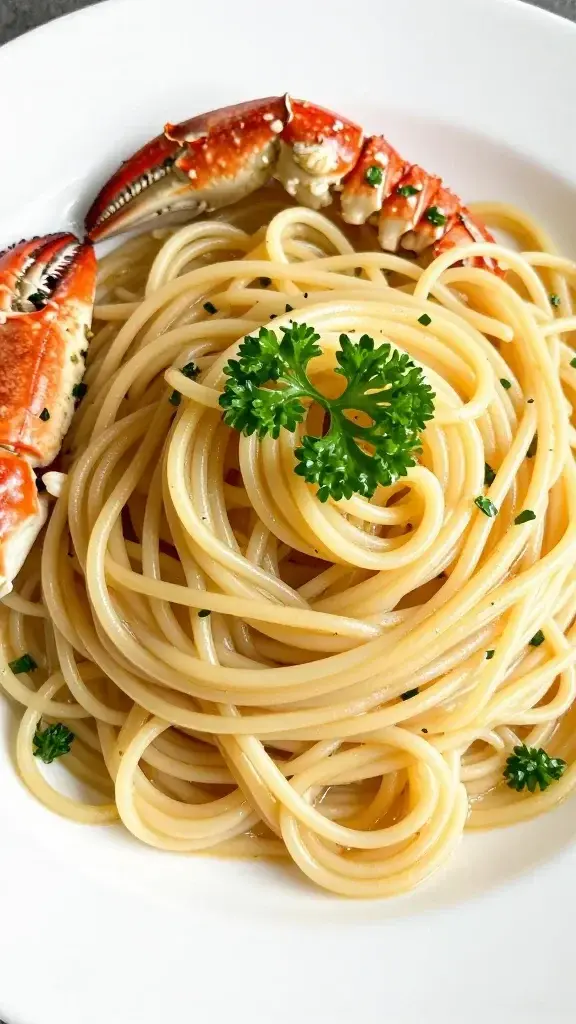
The sauce is where the magic happens. It’s simple, but if you nail the steps, you’ll taste the difference immediately.
– Garlic and shallots for aroma.
– White wine to lift the sweetness of the seafood.
– Butter for richness and gloss.
– A touch of cream or stock to loosen and mellow the acidity.
– Fresh parsley to finish with a green jolt.
Subsection:
Deglazing and emulsification—what you’re aiming for
After you sauté the aromatics, splash in wine and scrape up all the tasty bits from the pan. That fond is flavor gold. Let it reduce a bit, then whisk in butter to emulsify the sauce. If you’ve ever wondered why your sauce looks like satin, this step explains everything.
Cooking timeline: getting it on the table fast
Time is of the essence, but this dish still feels special. Here’s a workable timeline you can actually follow.
– Start water for pasta. Salt it like the ocean and cook until al dente.
– Sauté garlic (and shallots if you’re using them) in butter and a drizzle of olive oil.
– Add wine and reduce by half. The house will suddenly smell amazing.
– Toss in seafood just to warm through. If using pre-cooked meat, don’t overdo it.
– Stir in a splash of cream or stock, then fold in pasta with the sauce.
– Finish with chopped parsley and a squeeze of lemon if you’re into bright acidity.
– Plate, top with more parsley, and eat like it’s a celebration.
Parsley: more than just green fluff
Parsley isn’t just a garnish here. It brings a clean, peppery brightness that cuts through the richness. If you’re feeling extra, add a little extra at the end and a pinch of zest to wake up the sauce even more.
Subsection:
Parsley prep tips
– Chop finely so every bite has a pop.
– Save a handful for sprinkling on top to keep that vibrant color.
– If you hate flat parsley flavor, try a quick blanch to soften its bite before chopping.
Texture and balance: what to aim for in every bite
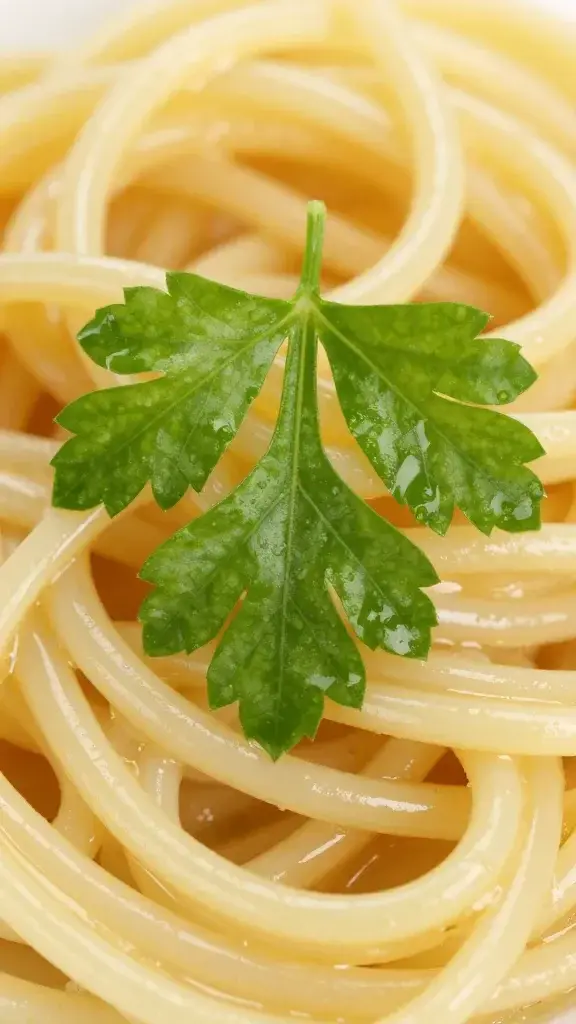
The perfect bite is a harmony of silky sauce, al dente pasta, and tender seafood. You want a little bite from the pasta, the creamy gloss of the sauce, and the delicate sweetness of the crab and lobster.
– Don’t drown the pasta in sauce; you want a medium coating that clings to each strand.
– If your sauce thickens too much, splash in a spoonful of pasta water to loosen and re-emulsify.
– A final micro-splash of lemon juice can brighten without making it sour. IMO, citrus is your friend here.
Serving ideas: what to serve alongside
Keep the focus on the pasta, but a few thoughtful sides or add-ins can elevate the meal.
– Crusty bread for sopping up sauce.
– A crisp green salad with a light vinaigrette to cut the richness.
– A glass of dry white wine—think Pinot Grigio, Sauvignon Blanc, or Vermentino.
– For extra drama, scatter lemon zest over the top before serving.
Subsection:
Wine pairings you’ll actually enjoy
– Sauvignon Blanc: bright and zippy, great with shellfish.
– Vermentino: herbaceous with a coastal vibe.
– A unoaked Chardonnay: creamy without stealing the show from the seafood.
Tips and tricks for perfect results every time
– Keep the heat steady but not screaming. You want a gentle simmer to coax the flavors together.
– Use freshly squeezed lemon if you can; the aroma is worth it.
– Don’t overcook the seafood. It can go from tender to tough in a heartbeat.
– If you’re short on time, pre-chop parsley and garlic and have everything else within reach. The more organized you are, the quicker the magic happens.
What if I’m cooking for a crowd?
– Double the recipe but watch the sauce-to-pasta ratio. You want a nice coating, not a soup.
– Pre-cook the lobster or crab meat and warm it gently at the end to prevent tough meat.
– Offer lemon wedges and extra parsley at the table so guests can customize.
FAQ
Can I make this dish without wine?
Yes. If you skip the wine, use an equal amount of seafood stock or chicken stock plus a splash of white wine vinegar or lemon juice to maintain the acidity and brightness. You’ll still get a flavorful finish.
What’s the best pasta shape for this?
Linguine is the classic, but fettuccine or spaghetti work too. You want a noodle that picks up the sauce rather than separating from it. Twist-y shapes? Also fun, as long as they hold onto the bits of seafood and sauce.
Can I freeze this after cooking?
Fresh is best, but you can freeze it. Reheat gently on the stove with a splash of water or stock to loosen the sauce. The seafood texture may soften a bit, but the flavors will still sing.
Can I make it dairy-free?
Yes, swap the butter for olive oil and use a dairy-free cream or coconut cream if you like. The texture shifts a little, but you’ll still get a rich, tasty sauce.
What if I only have imitation crab or canned crab?
Imitation crab will still work for color and texture, but real crab or lobster adds real sweetness. If you only have canned crab, drain well and pat dry to avoid extra watery sauce.
Conclusion
Crab and Lobster Linguine with Parsley is a reminder that good food doesn’t have to be complicated to feel special. It teams seafood sweetness with bright parsley, a glossy, comforting sauce, and pasta that dances right with every bite. It’s the kind of dish you can whip up midweek and still feel like you’ve earned a seat at a nice restaurant. So go ahead—grab the seafood, toss in the parsley, and let the kitchen become your favorite coastal bistro for an evening. Enjoy the magic, and don’t forget to tell your friends how easy it was. FYI, they’ll want seconds.