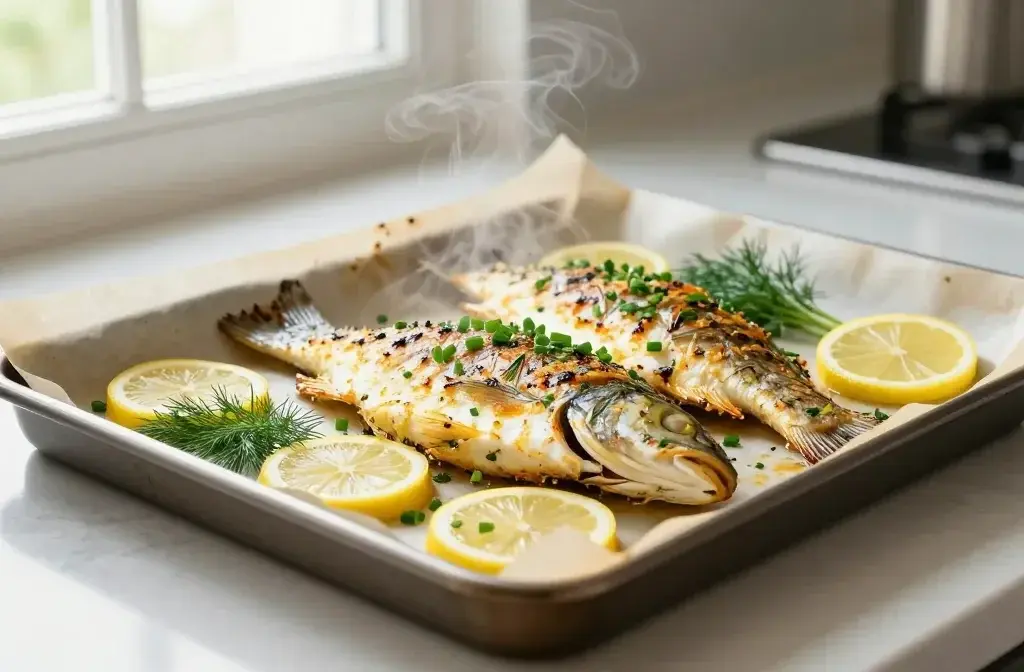
Baked Lemon Dill Tilapia with Spring Herbs: Weeknight Wow
It happens to all of us: you want something bright, zesty, and doable on a weeknight. Enter baked lemon dill tilapia with spring herbs—a light, punchy dish that feels fancy without the fuss. Quick, fresh, and practically foolproof, it may just become your new weeknight BFF.
Why this recipe hits the spot
Tilapia wings in for a mild, flaky bite, while lemon and dill bring a sunny brightness that makes you smile with every bite. The spring herbs—think chives, parsley, maybe a whisper of tarragon—add layers without overpowering the fish. FYI, you can swap in cod or halibut if tilapia isn’t your jam, but tilapia keeps things affordable and forgiving. Ready to cook something that tastes like a sunny day rolled into a foil packet? Let’s go.
What you’ll need (the short shopping list)
- Tilapia fillets (about 4 portions)
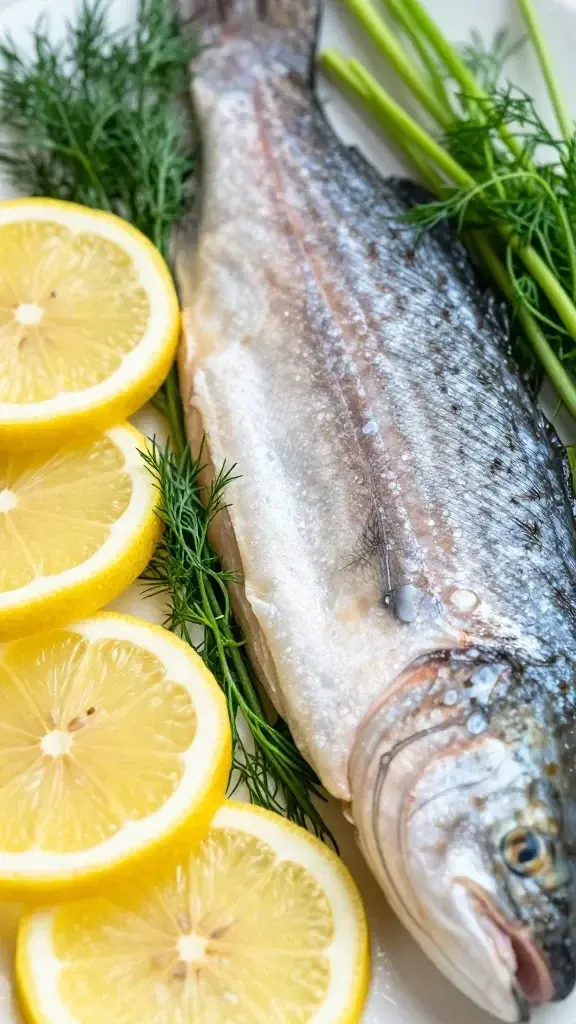
- 1 lemon (zested and thinly sliced)
- Fresh dill, chopped
- Spring herbs: parsley, chives, or basil stubs
- Olive oil, salt, pepper
- Optional: garlic, shallots for extra zing
- Light vegetable or chicken stock or water for a quick steam boost
Prep like a pro without sweating it
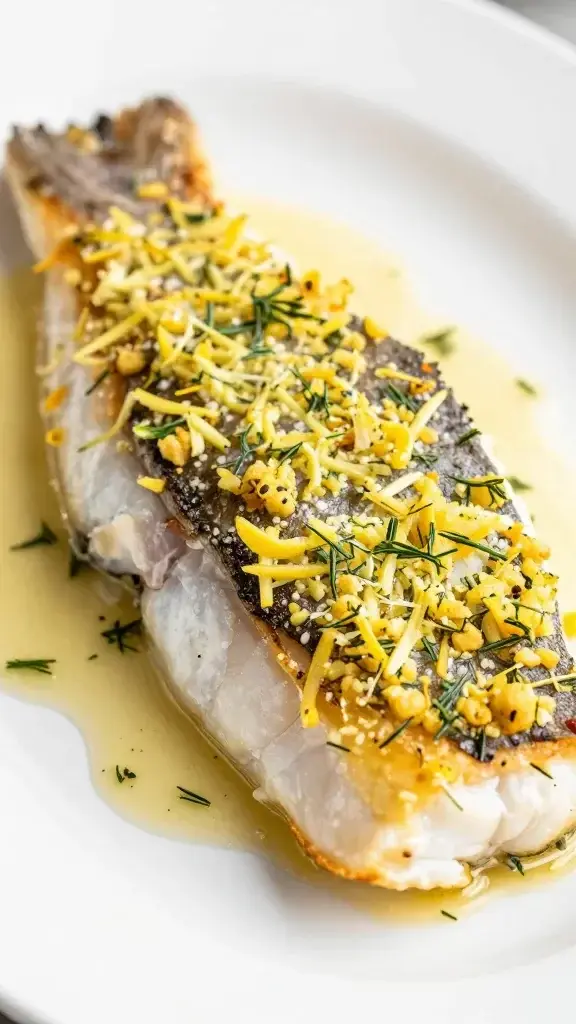
The beauty of this dish? It’s all about assembling and letting the oven do the work. Start by preheating to a reliable 400°F (200°C). Pat the fish dry—yes, the pat is real—and brush with a little olive oil. Season with salt and pepper, then lay down a few lemon slices and a whisper of zest on each fillet. Think of the lemon as a bright hat for the fish—keep it classy, not soggy.
Chop the herbs. Not too fine; you want to taste the greens, not mush them into oblivion. Mix dill with your chosen spring herbs, a pinch of salt, and a splash of olive oil. This becomes your emerald-green confetti that will perfume the dish in the oven.
Cooking method: the bake that does the talking
Line a baking sheet or shallow pan with parchment for easy cleanup. Arrange the fillets in a single layer, skin-side down if needed, and spoon the herb mixture on top. If you’re feeling fancy, drizzle a little extra olive oil over everything. Slide the pan into the oven and bake for 12-15 minutes. The fish should flake easily when tested with a fork.
If you want a touch more color, switch to the broil for the last 1-2 minutes. Do not wander away; broiling can go from golden to burnt real fast. FYI, cooking time depends on thickness—thick fillets take a touch longer; thin fillets finish quicker.
Flavor dive: balancing brightness and herbs
The lemon anchors the dish with citrus tang, while dill and other greens lift the aroma. If you love garlic, mince a small clove and mix it into the herb paste before application. A splash of white wine or a squeeze of extra lemon juice after cooking can brighten things even more. For a subtler touch, add a pinch of crushed red pepper for warmth.
Subsection: herbs that pop
– Dill is the star here, but parsley adds a clean punch that cuts through the fish’s mild flavor.
– Chives bring a gentle onion-y bite; scallions can also stand in.
– Tarragon adds a surprising anise note if you’re chasing something a bit more daring.
– Fresh thyme can be a quirky, classy add if you’re going for something grown-up.
Sidekick ideas: what to serve with it
– Light greens with a lemon vinaigrette for a zippy plate.
– Roasted asparagus or green beans tossed with lemon zest and olive oil.
– Simple orzo or quinoa to soak up any herbaceous juices.
– A crusty loaf to mop up the last bit of herb oil—no judgment here.
Subsection: quick sauce options
– A dollop of yogurt mixed with lemon zest and dill for a creamy counterpoint.
– A quick cucumber-tomato salad with fresh herbs to brighten the plate.
– A warmed black olive and caper relish if you want a briny kick.
Meal prep vibes: stretch this into a few meals
This dish scales down easily for one or up for a family dinner. Cook the fish, then refrigerate for 3 days max. Reheat gently or serve cold over a salad for an easy lunch. Want to go big? Make a double batch, freeze individual portions, and you’ve got a weeknight lifesaver in the freezer. IMO, you’ll thank yourself later.
Make-ahead tips
– Prepare the herb mix a day ahead and store in a sealed container.
– Slice lemons and zest in advance for a quick pull-tull when you’re ready to bake.
– Pre-portion fillets in a sealed bag for faster weeknight dinners.
FAQ
Can I use frozen tilapia for this recipe?
Yes, but thaw completely and pat dry before seasoning. Frozen fish can liquid-wis, which can water down the herbs. Dry fish = crisper, tastier result.
What if I don’t have dill?
Dill is nice, but not mandatory. Parsley with a pinch of tarragon or chives works beautifully. Fresh chives add a mild onion note that still keeps things light.
Is this recipe kid-friendly?
Absolutely. The flavors are bright but not overpowering. You can reduce the lemon zest a tad for sensitive palates. Kids often like dipping the fish and greens into the herb oil.
How do I know when the tilapia is done?
Tilapia flakes easily with a fork and turns opaque. If you’re unsure, a quick internal check at 145°F (63°C) is safe. Overcooking leads to dry fish, so keep an eye on it.
Can I make this in a skillet instead of baking?
Yes, you can sauté gently in a hot skillet with a bit of oil. Add the herb mixture and lemon zest, cook a few minutes per side until just opaque. It won’t have the same crusty top, but it’s quick and tasty.
Conclusion
Baked Lemon Dill Tilapia with Spring Herbs is your new versatile go-to: bright, simple, and surprisingly chef-y without the drama. It hits the fresh-tish notes without demanding a long, fancy ingredient list. So next time you’re staring at a blank dinner slate, grab tilapia, a lemon, and some herbs, and let the oven do the heavy lifting. IMO, you’ll be bragging about it to your noncooking friends in no time. Let’s get cooking and make tonight vibrant.